Showing posts with label NonVeg. Show all posts

Friday, September 06, 2013

Salmon Doi Maach-- Salmon in a yogurt gravy

Doi Maach, Bengali Fish in Yogurt sauce
Doi Maach -- Fish in Yogurt Sauce

Next week school reopens in my part of the world. After 2 and a half months of late nights, later mornings, lazy breakfasts, no school lunches, no worries of homework, unlimited story book reading time and any hour ice cream time, letting go of summer vacation is not going to be easy.

For anyone.Okay, at least not for me.

Doi Maach
Sauteing Onions to grind into a paste
Though I was not at the receiving end of those sleep-in mornings and unlimited ice creams, it is my heart that squeezes in this awful manner, thinking of a summer that is slowly gathering up the hem of its laced skirt and preparing to say good bye.This summer has been one of those very laid back kinds, with minimum activities, no summer camps and the girls free to do what they want with their day. Well, for the most part.

Tempering oil with Whole spices
There have been several sleepovers, couple of picnics, multiple park visits, visiting friends in neighboring states, grandparents, beach, water parks, a short trip and a birthday party in the park for LittleSis. Nothing else was planned or chalked out and not once did they say they were "bored". BigSis of course read and re-read many books from Percy Jackson to Harry Potter, from the Malory Towers series that my Ma got to some Agatha Christies. LS learned to read pretty well but is yet to get hooked onto its magic, so she kept herself busy with imaginary games involving complex rules, which take more time to explain than play.

I think they had a good summer, kind of like those I had,only with air-conditioning. Listless, long, timeless.

Add the onion paste

And now here we are, with school starting on Monday. The prospect of two school buses at my doorstep for the two sisters, wrenching my gut. Darn, I am hitting menopause or what.

The supplies have been bought and labeled by BigSis. The bags have been packed. This is always an exciting part of a new school year though in this case there are no new text books involved. Supplies largely consist of  Sharpies, Folders, glue sticks, pens in certain colors, post-its and index cards. For LS it is glue sticks, crayons, glue sticks, color pencils, more glue sticks and did I say glue sticks ? I have no idea what they do in Kindergarten but it sure involves a lot of glue sticks.

Add fish and sprinkle kashmiri mirch
The start of a new school year was always exciting during my school days too. One of them was the new pencil box, which was a coveted treasure and the one thing where my parents gave in to fancy renditions. So I had those magic pencil boxes where the contents would disappear if you opened it a certain way, the two tier ones with Mickie on top,  the ones where the scale slid on and doubled as a cover and then shiny camel geometry boxes every year.Close second, were the new text books with their fresh smell and crisp pages and the Radiant Readers or Gulmohars with their new stories to leaf through.

In goes tomatoes and green chillies
There was also the act of covering each of them with brown paper. A daunting task which my Mother finished for the most part. While in the last few days of vacation, I would be busy completing the handwriting homework I had conveniently procrastinated, Ma would be sitting down with rolls of brown paper, a ruler and a pair of scissors, neatly covering each of the text books. I mostly covered the notebooks and then patiently drew lines on each of those covers to pencil in my name, classroom and section.

The yogurt which was mixed with half of onion paste, ginger paste, sugar and mixed thoroughly
BigSis has these things called book socks to cover her text books, the books that the school provides for the school year. The books mostly stay in class and are to be returned when she moves up. I don't have to pay for them. They are not new. But they are extraordinarily neat with no scribbles on the margins. However I see, she does not feel the oneness with these text books that I once did with mine. I would worry even as the brown paper cover frayed at the ends and started tearing at the spine and never ever leave them face open or upturned. She keeps the books neat but they are not hers to be highlighted, underlined or to make notes.Naturally so she does not feel for them with her heart either. They are just textbooks for the new school year.

It is the folders, pencils and binders which excite her more. And then there are the glue sticks for LS. All six of them.

Add water and let gravy simmer
Before I go onto the recipe, I must tell you about this wonderful event where my book is a part of the giveaway. It is hosted by Srivalli of the wonderful blog "Cooking 4 all Seasons". You can participate and try to win a copy.
My book is now also available for UK/Europe/Canada on Amazon at the Amazon.uk, Amazon.ca etc. And it is always there on Amazon and Flipkart. If you have read my book, I would also urge you to rate and review it at these sites as well as on Goodreads. It will be a huge help.
Soon, I will be having a couple of giveaways on my blog too. So stay tuned.

Almost ready!

Now to Doi Machh i.e Fish in a yogurt gravy features in my list of favorite dishes. Surprisingly this simple dish varies from one Bengali home to the other in the little nuances they add. My Ma’s Doi Maachh is pretty much traditional with raw onion paste, ginger paste and yogurt in the gravy and that awesome taste is what I grew up with. Then, when I saw my Ma-in-law add chopped tomatoes to this gravy, towards the end of cooking, I was taken by surprise. But her dish tasted just like Doi Maachh and yet was unique with this touch.
When it was my turn, I went further. Instead of a raw onion paste, I started sautéeing the onion lightly and grinding them to a paste which I then used in the gravy. I was trying to shorten the time it takes to “kashao” raw onion paste. Simple. In my book, I have a version of Doi Maachh where I have added even more twists and turns.

Tastes best with some rice

Though traditionally done with fish like Rohu or Carp, I find salmon perfect in this sweet and spicy yogurt gravy. Today, I will share with you my version of Salmon diye Doi Maachh, where the salmon is poached in the gravy and the taste is so darn awesome that my daughters lick it up.

And I am sure you will love this too.

Btw, you can use this recipe for the traditional Rui or Rohu fish too. If the fish is not very fresh I would suggest to saute the fish lightly and then proceed with the rest of the steps.


Salmon Doi Maach -- Salmon in a yogurt gravy


Prep Work

Heat Vegetable Oil in a frying pan

Chop a medium sized onion in large chunks and then saute it until it is soft, pink and translucent. Now cool and make a paste.

Next in a bowl, add about 1/2 cup of thick yogurt. To it add
1/2 of the onion paste
1 tbsp of fresh ginger paste
a pinch of turmeric powder
1/4th tsp of sugar
1/4th cup of water
Beat well

Note for creamier gravy: Soak 2 Tbsp of cashew for 10 minutes and make a smooth paste with little water. Add it to the yogurt above

Clean the fish pieces and lightly rub with salt and turmeric. Keep aside for half an hour. For salmon, I request the fishmonger to get the skin off the filet and then cut the filet into kabob sized pieces.

Note: Btw, you can use this recipe for the traditional Rui or Rohu fish too. If the fish is not very fresh I would suggest to saute the fish lightly and then proceed with the rest of the steps.

Start Cooking

Heat some more Oil in Kadai/Frying Pan.

Add the coarsely pounded whole garam masala
Elaichi or Cardamom~ 5
Laung or Cloves~ 5
TejPata or BayLeaves~ 2
Dalchini or Cinnamon Sticks ~ 1” stick

When they start sputtering add the remaining onion paste. Add about 1 tsp of sugar and fry the onion paste till the oil separates.

Add the fish pieces. Sprinkle 1/2 tsp of Kashmiri mirch  and saute until the fish pieces lose their raw color. Don't overcook or fry the fish too much. It will cook in the gravy

Next add half of a large tomato chopped into small pieces and about 5 slit green chillies. You can also add halved grape tomatoes. Saute for 2 minutes,

Now take the Kadai/Frying Pan off the heat and give it a couple of minutes to cool.

Add the beaten yogurt/curd and mix with the fish. If you add the yogurt directly when the utensil is on heat the yogurt may curdle so you need to do this.

Put back the Kadai/Frying Pan on heat.

Add salt as required .Add about 1/2 - 2/3 cup of water at this point. depending on how much gravy you need, you might need more or less water.

Simmer on low heat till the gravy comes to a boil. Let it simmer till the gravy is thick and smooth and the fish is just flaking apart. The texture of the gravy should be silky smooth because of all that yogurt. Note: the gravy will not dry off totally but will be thick and not watery

Finish off with a little ghee if you wish and a little Garam masala powder. Serve with white rice.

Tuesday, July 16, 2013

Pritha Sen's Railway Mutton Curry -- Bengali style

RailwayMuttonCurry, Railway Mutton Curry

Railway Mutton Curry

The Railway Mutton Curry is a legacy from the food cooked aboard the Indian Railways during British raj. The dishes served in the dining cars of indian railways in those times  were a blend of Anglo-Indian, Bengali and South Indian, cooked to perfection. There are a few different recipes for this Railway Mutton Curry. The one I have shared here has more Bengali touch than the South-Indian version.


My first train journey, or rather the one that I can recall, because there must have been many before that, is of an over crowded Darjeeling Express or maybe Tinshukia Mail. I think it was the Darjeeling Express because if I remember correct only my Mother and I were traveling, to Dida' house in Kolkata during a winter vacation.

Ma's friend from the neighborhood P-pishi was also traveling the same day on the same train. The train was packed as I remember and faint conversations of something about a natok er dol--a drama company troupe occupying our seats in a second class compartment bubbles through memory. Those were polite times and I think my Ma and P-pishi agreed to share their reserved seats with the folks from the troupe who had last minute bookings and not enough reservations. I was all of five or maybe six and went off to sleep curled up in whatever little space we had.

And then my memory gets stronger and there is a loud voice that says "Malda eshe geche. Malda. Seddho dim khabi na ?" (We have reached Malda Station. Malda. Don't you want a boiled egg?)
I am sure there was a past history of my eating and loving the warm to touch boiled egg at Malda Station for my Mother to have woken me from a slumber in a crowded train to offer those. Those freshly boiled eggs, sliced along the length and sprinkled with coarse white salt and crushed black pepper were proffered through the iron grills of the train window by the Dimwala on the platform. I scarfed down two of them and went back to sleep. And yet again the very mention of the everyday boiled eggs brings to my mind Malda Station and I have a strong belief that no egg ever tasted that good.

RailwayMuttonCurry5

Just like an omelet brings to mind the double dim er omelet or double egg omelet at the Railway canteen in Patna Junction. Once you pushed aside those swing doors, the Railway Canteen was a place with white napkins and waiters in stiff starched uniform very unlike the crowded and loud station just outside. Every year on our annual journey it was a ritual to have a plate of  kadak toast with Amul butter and double dim er omelet at the canteen. I still remember that how I would be disappointed by the omelet every year, because though it was made with two eggs, it wasn't a thick omelet but a large thin one which filled the entire size of a dinner plate.And yet every year without fail I would order the same at the Railway canteen.


RailwayMuttonCurry, Railway mutton Curry, Indian Mutton Curry

Railway Mutton Curry - Bengali style railway mutton curry

Next was an older me, maybe a 10 year old, a first class coupe with sliding doors and a corridor outside. I loved the first class coupe, way more than the A/C coaches we traveled in later. The coupe gave you the privacy and the wind blowing on your face through the wide open windows, one of the main reasons I loved train journeys.

The evening we boarded the train, a three stack high stainless steel tiffin carrier carried our dinner. Soon after the train had pulled out, Ma would spread newspapers on the rexine covered berths and open the latches of the tiffin carrier to reveal steel containers filled with luchi, sada alu chorchori and sondesh. But more than that I looked forward to the next day's lunch, the one we could not carry from home and had to order from the railway catering service. I would always order a chicken curry and rice, Baba would do the same and Ma would order a Veg meal. Dining cars were phased out by then and the catering service loaded trays of cooked food from designated stations. Lunch would arrive in those steel rectangular plates with compartments-- rice, pickle, a watery dal and a chicken curry with a thin layer of oil floating on a scarlet colored gravy which would inevitably have spilled onto the dal with the motion of the train. It was not an extraordinary curry and I clearly don't recall its taste.

But the experience of food in a train with the wind rustling through the open windows, the green paddy fields stretched towards the horizon, the little village boys standing by the railway lines waving their scrawny limbs to the marching beat of the iron wheels is something that makes it exemplary merely by situation.

Like the dim-seddho and the chicken curry, I am sure for many of my generation growing up in India, Food and railway journeys are closely intertwined. JhaalMuri at Kharagpur, Guavas with pink insides at Allahabad, Medu Vadas on the southern line, Puri Sabzi at Moghalsarai, Mihidana at Bardhaman -- we all have our train food favorites.

RailwayMuttonCurry, Railway mutton Curry, Indian Mutton Curry

So when I first saw this recipe of Railway Mutton Curry shared by Pritha Sen at Atul Sikand's page Sikandulous Cuisne, I knew I had to try it, if only because of its name. Pritha Sen, from Gurgaon has immense knowledge about history of Indian food and her narrative on  this curry made it all the more interesting. Her story about origin of this dish dates further back, when South eastern railway was called BNR and trains came with salons and dining cars.

With her permission, I am reproducing part of her article in her own words:

"Many a classic dish has been born out of necessity, culture, lifestyle, ethnicity and the ingredients available locally. Many of them are a testimony of the times. There are certain tastes that linger and many years later surface in our urban kitchens as a salute to those chefs whose ingenuity created them in the first place. So we got our seekh kebabs from the marauding Mongols who fanned out from Central Asia across the world, spreading their seed as well as their cuisine. Their spears served as the seekhs to roast pieces of meat over the campfire in the evenings. Then there are the now famous stories about Dum Pukht cuisine or the Mongolian hot pot and in more recent times, Tandoori Chicken and Chicken Butter Masala or American Chopsuey and Chicken/Gobi Manchurian!

One such form of cuisine was that which was developed by the entourage of cooks and bearers who travelled with officers serving in the administrative, forest and railway services in India in colonial times. They cooked with whatever they carried with them or was locally available at their place of halt, flavouring the dishes with a blend of sleight of hand, what the Memsahib had taught them and dollops of ethnicity. And thus was born dishes like the Railway Mutton or Chicken Curry, the Railway Aloo curry with triangular Atta Parathas, Dak Bungalow Mutton Curry, Madras Club Qorma, Dak Bungalow Roast Chicken, the Rose Custard and of course Bread Puddings and Caramel Custard.

I was fortunate enough to have grown up in this legacy of the Raj, as a child of the Railways, when there were dining cars on trains, complete with tables for four covered with white damask and set with proper crockery and silver. Think back to that scene in Satyajit Ray's 'Nayak' where Sharmila Tagore starts her interview with Uttam Kumar. Liveried waiters padded about silently, serving known railway delicacies of those times – fish fry with tartar sauce, mutton breast cutlets on the bone, perfectly fried finger chips with tomato sauce, finely cut chicken sandwiches, chicken and tomato soups, mulligatawny soups and side dishes of roast chicken and boiled vegetables or mutton stew with bread, or chicken/mutton curry rice. The menu was limited but delicious.

When my father went on tour, which was referred to as ‘going on Line’ the phrase originating from ‘line inspection’, Naresh, our old peon, a relic of the Raj himself, packed his Line Box or Line Peti as he called it. A Line Box was a 2ft by 3ft rectangular wooden box, which had a tray with partitions on top of the main unit. The bottom was packed with rice, flour, dal, spices etc. The top tray held potatoes, onions, garlic, ginger in neat compartments. Naresh then loaded it onto Baba’s saloon, an entire railway coach converted to house a sitting-cum-dining room, bedrooms, bathrooms, kitchen, pantry and staff quarters. Naresh travelled with him along with an assistant, cooking Baba fresh meals as he travelled for days from one railway junction to another.

We, as a family, also travelled with him at times living in the saloon and eating and sleeping as the steam engine chugged across India, spewing vicious black fumes. No worries. We children were well ensconced in our fairy tale moving home, revelling in wondrous delight at the shining stainless steel hand showers in the bathrooms which we had never seen before and kitchens fitted with tall coal ovens to roast the chicken to a turn and bake the perfect dessert.

The railway cuisine as I realise today was generously tempered with a South Indian flavour. The reason being that during my childhood or perhaps before that much of the Class IV railway staff were South Indians, mainly Telugus from Andhra Pradesh. The engine drivers and ticket collectors or station masters were Anglo-Indians, the last of the community left in Railway service before they all emigrated to Australia. So the dishes we were served were a blend of Anglo-Indian, Bengali and South Indian, cooked to perfection.

I leave you with one such dish which today rightly occupies pride of place on many restaurant menus that serve Anglo-Indian or Raj cuisine. I promise to come back with more.
"


RailwayMuttonCurry3

Pritha Di shared two recipes of this mutton curry. The first one was courtesy Jennifer Brennan and apparently the more authentic one and had Curry leaves and Coconut Milk. I selected the second one which was more Bengali than South Indian.This was from Bengal in later times: Courtesy Basav Mukherjee. I adapted the recipe making small changes but sticking to the core of the wonderful masala paste that lends the curry its special flavor. Don't get intimidated by the length of the post or ingredient list. All of them can be found in your kitchen pantry and if you follow the steps, it takes no longer than a regular mutton curry.


Railway Mutton Curry


What you Need

Mutton ~ 4lb with bone, usually shoulder or back leg. After washing, mutton was marinated overnight
Onion -- 2 large chopped in slices= 4 cups of sliced onion
Tomatoes -- 1 cup pureed
Potatoes ~ 2 large potatoes chopped in quarters

Whole Garam Masala -- 2 Black cardamom, 6 green cardamom, 2" stick of cinnamon, 8 clove, 4 bay leaves, 3 strands of javetri, 8 dry red chilli

Special Masala Paste

Coriander seeds ~ 2 tsp
Cumin Seeds ~ 2 tsp
Fennel seeds or Saunf ~ 2 tsp
Whole black Peppercorns -- 15
Dry Red Chilli -- 8
Garlic -- 8 fat cloves
Ginger -- 2" piece finely chopped
Kashmiri Mirch -- 2 tsp
Sugar -- 1/2 tsp

For Gravy

Garlic paste -- 1 tbsp
Ginger paste -- 1 tbsp

Water ~ 1.5 cups

Garam Masala ~ 1 tsp
Green Chillies -- 3-4

Mustard Oil -- 4 tbsp

How I Did It

Preparation :

Marinate mutton overnight with
2 tsp ginger paste, 
2tsp garlic paste, 
2 tsp mustard oil, 
1 tsp vinegar, 
salt 
2 tsp Kashmiri Mirch
and Turmeric powder
 

Make the Special Masala paste:
Heat a small pan or kadhai.

Add the
coriander seeds, 
cumin seeds, 
fennel seeds, 
dried red chillies, 
peppercorns and roast till fragrant.

Once roasted, add the above spices to a blender along with
8 big cloves of garlic 
2 inch of ginger, roughly chopped
2 tsp of Kashmiri red chilli powder
1 tbsp Mustard Oil

Make a fine paste adding splash of water if necessary. Add 1/2 tsp sugar to the paste. The paste is where the magic lies.


Start Cooking :
In a pressure cooker or a fry pan, add 3 tablespoons of mustard oil.

Heat the oil till its smoking. Fry the potatoes in the oil. Once the potatoes turn golden yellow with brown spots, remove and keep aside

Now, reduce the flame and  add the whole garam masala
2 Black cardamom, 
6 green cardamom, 
2" stick of cinnamon, 
8 clove, 
4 bay leaves, 
3 strands of javetri, 
8 dry red chilli

Once you get the fragrance of the whole spices add
1 tbsp garlic paste
1 tbsp ginger paste. 
Fry them for about a minute.

Now add the sliced onion and fry with a sprinkle of salt. Fry the onion, stirring constantly, till they get browned and caramelized.

Next goes in the pureed tomatoes which needs to be fried for 3-4 minutes till raw smell is gone.

Next add the mutton pieces to this.Increase the flame to high and fry the mutton pieces in high heat till mutton loses its raw color. The mutton will sear and turn a light brown

Reduce the flame a bit and let the mutton release its juices.
At medium heat, continue to saute or kashao  the mutton till you see a layer of oil floating. Stir continuously. This takes a good 20-25 minutes

Now add the Special Masala that you have prepared and mix it with the meat. Fry everything together for next 5-7 minutes.

Add back the potatoes to the mix and reduce flame to low.

Add about 1.5 cups of water. Add salt to taste. I added water though the original recipe did not ask for it.

Bring the gravy to a boil and then close the pressure cooker lid.Reduce the flame to the lowest and pressure cook the curry for 15 minutes. Towards the end of 15 mins, increase the heat and cook for 8  minutes at full pressure

Once you can open the cooker lid, break 3-4 green chillies and add to the curry for an awesome flavor
Also add one tsp of garam masala powder and stir.

Close the cooker lid again  and let this rest for about an hour. Serve with steaming white rice.

Wednesday, July 03, 2013

Cajun Spiced Shrimp -- very forgiving


I won't see you guys until next week.

Well, maybe I will. But I will try not to be too much on the internet.

I might suffocate without it so I will Google. At the least. I might also be on FB. Or Twitter. They are not internet right ?

Only the other day we were discussing how back in '96 we had internet access only on two computers at work and where I first created my Hotmail account.

Unlimited internet at home in the US around late '99 felt like Nirvana. But that was still Dial-up. "Krrrrkakingkaing..piiin..." Remember ? Now there is website for you to relive that sound.

When did all that change and I morphed into someone who can no longer think independently and yet needs to share her thoughts all the time. I have this obsessive need to check out everything on Google. E-V-E-R-Y-T-H-I-N-G.


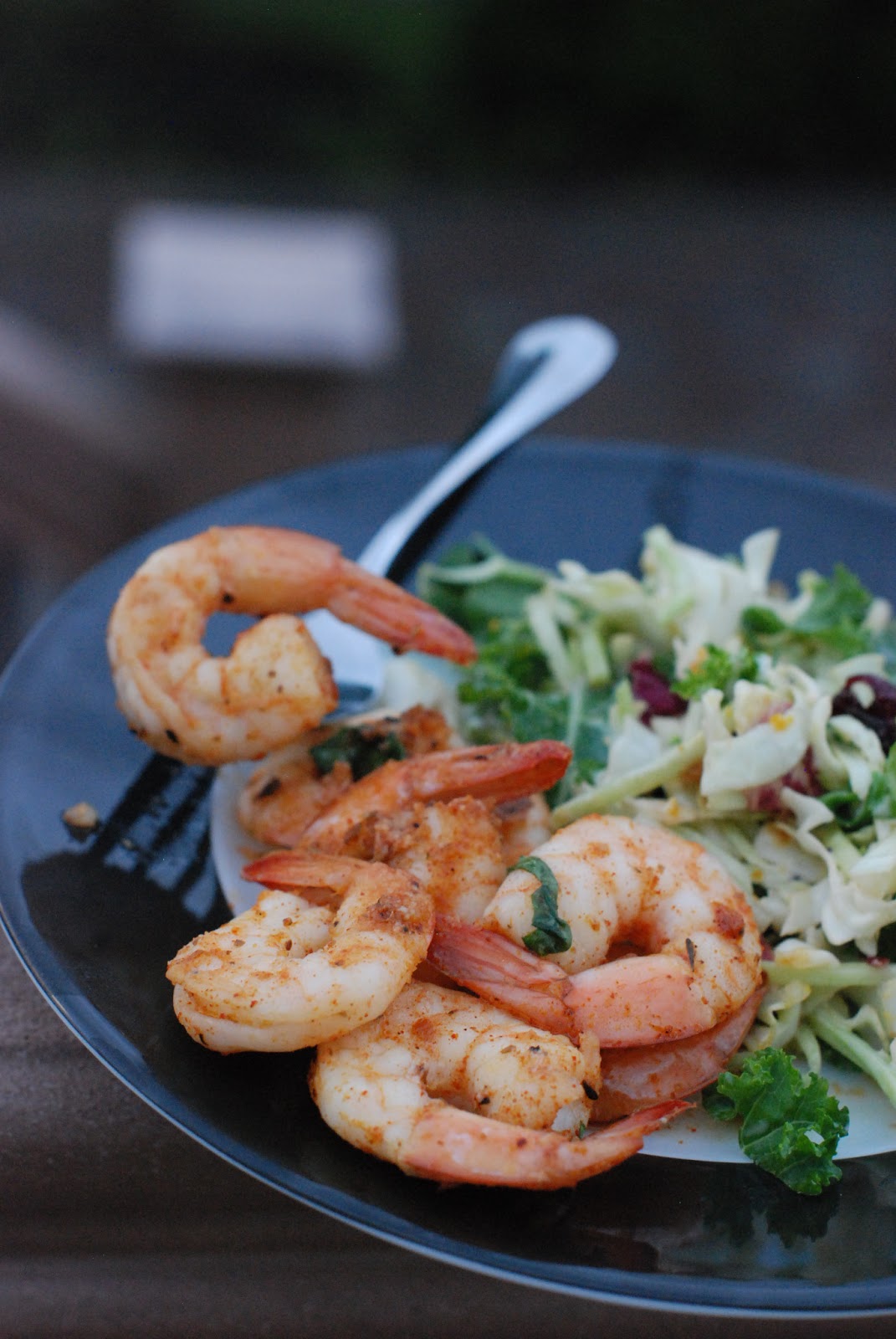
But not this Cajun Shrimp. Well I might have at some point in the last few years because I don't think I could have learned the word "Cajun" without Google. This is very similar to a chingri bhaja only spiced with cajun spices and lemon zest. It is very forgiving and you cannot go wrong with it ever.

Here is how you do it. 1.2.3

1. Defrost shrimp if frozen

2. Toss shrimp in olive oil, garlic powder, cajun spice powder, salt and lemon zest

3. Pop it in the oven at 325F for about 10 mins or until you see shrimp is curling up and ready.


Squeeze some lime juice and enjoy.

Until then a Happy 4th of July for all who is celebrating. Happy Everyday for everyone else.


Remember to check out the book ins stores in India, Flipkart and Amazon. If you do not see it in the store please, please leave me  a comment with store name, address.

Book on FlipKart -- Order my Book now.

Book on Amazon India -- Order now

Book on Amazon.com -- Order now


Monday, July 01, 2013

Shakuntala's Bengali Chicken Royale -- or picnic murgi


BengaliChickenRoyale1

I have been a social media cynic from Day 1. I have cringed at people's need to tweet about their un-washed hair and strut their vacation pics. I have restrained myself from opening up a personal account on Facebook for the sole reason that  on a night with nothing to do I might flood timelines with the million pictures on my hard disk. The temptation is just too much.

However when it comes to the blog and its FB page, the scenario has been very different. As a result of my early cynicism, I did not jump-start on a FB page for my blog, the moment Zuckerburg opened his doors. I stood far with furrowed eyebrows, thinking "What a disaster". Slowly I crawled in, thinking it was one more way to draw some more traffic.

What I got at the end was however far more precious than mere traffic. You know what I got ? Readers who turned into friends. Readers who delighted me with their precious heirloom recipes. Bloggers whom I got to know that much better. And most importantly a whole bunch of like minded people and their support. Though there have been numerous instances I have experienced their friendship, today I will highlight only about my book for which so many came forward to spread the word. There is nothing that I can say to thank you guys enough.


Writing is a solitary affair to begin with.If you are not from a literary circle or eminently famous, it is most likely that real life people around you do not get your need to write; be it a blog or a book. Something which you spend hours on and which gives nothing tangible beyond satisfaction makes little sense to folks who are trying to climb the financial and corporate ladder.Nothing wrong there.That is the real and practical world for most.

And now comes Facebook, which gives you the opportunity to connect with people sharing same passion as yours. Here comes social media bridging the gap, going beyond cliques and cuisines and supporting you. Probably it helps because in a virtual community you choose to see only a part of the life the person shares, the part that resonates with you.

Through it I have found bloggers and readers who are eager to support what I do. Who are ready to pick up my new book and cook a beguni(Cooking with Siri), or a kosha mangsho(Sin-A-Mon tales) or a shorshe dharosh(A Mad Tea Party), or dim kosha(My Diverse Kitchen) or Green Bean Bhorta(When My Soup Came Alive) even if it means going beyond their regular routine.
I have befriended folks, whom I have known only virtually, who have e-mailed or messaged to say if they could help in any way to spread word about the book, who have shared about my book on their timeline and blog, virtual friends like Chandrima who have connected me with broader networks I was not aware about. I am not mentioning every name right now because there are too many and I have the book page for that. In addition I have found fountainhead of knowledge about Bengali food in the likes of Pritha Sen and mentor in authors like Monica Bhide.

And then I have also found many recipes suggested by my lovely friends who started off as a reader of my blog at some point.

Like this Bengali style Chicken Royale from Shakuntala who also blogs in Bengali at Bokom-Bokom. I have adjusted the recipe to my taste and made some changes to the cooking process. While I was marinating the chicken, the husband-man asked if I am making "the Picnic er Murgi".

"What is Picnic er Murgi?", I asked

Turns out every year after Durga Pujo, the boys in his para aka 'hood went on a picnic where their main intention was to imbibe in "you-know-liquid" that was not allowed at home.The only edibles in that Picnic were rice and Murgir Jhol and this is how the Murgi was done, all marinated together and then set to cook on wood fire.The husband-man was the designated cook or so he claims, so he knew everything about the recipe.

Both Shakuntala and D's recipe called for the chicken to be marinated with everything including the Whole Garam masala and tomatoes. The process then involved letting the marinated chicken cook on low heat in a dutch oven(for Shakuntala) or a big black bottomed dekchi(for the husband-man). But I deviated and broke up the steps by first tempering, then adding tomatoes etc.

Now, whether you choose a exotic name like Bengali Chicken Royale or a nostalgic one like "Picnic er Murgi" is upto you. Both ways this is a easy dish with a delicious outcome.


The book page has been updated with many more reviews and interviews from The Indian Express, The New Indian Express, The Hindu Business Line.
While the giveaway deadline at Aparna's My Diverse Kitchen was yesterday, there is a new giveaway announced at Sin-a-Mon tales.

Mandira of Ahaar has announced my book as a giveaway gift on her 7th year blog birthday and I am very proud to be a part of her journey.

Congratulations to the winner of the book giveaway at A Mad Tea Party

Book is now available in stores in India, Flipkart and Amazon.in
For all others  new stock at Amazon on July5th. Order soon and the stocks will be updated.

More details and giveaways announced at the Book Page.


Bengali Chicken Royale or Picnic er Murgi

Chicken ~ 2lb. I had about 8 small sized leg pieces, the organic ones from Costco

I have used fried onion paste to marinate the chicken. You can also use fresh onion paste. I usually chop 2 onions in large chunks, saute them in little oil till soft and translucent, and then make them into a paste which I store. It is easier for me to then use that. Also raw onion paste sometimes tends to get bitter. This way I am sure.

Marinate chicken with
5 tbsp fried onion paste (this will be from one small onion or 1/2 of a big one. Sauteed until soft and then made into a paste)
2 tbsp garlic paste
2 tbsp ginger paste
4 green chilli ground or paste(skip if you don't want hot)
1 tsp Turmeric Powder
1/2 tsp Kashmiri Mirch
1/2 tsp Garam Masala Powder or any Meat Masala
Salt
2 tsp Mustard oil
1/4th Cup Yogurt

Marinate for 1 hr or more

When you are ready to cook, throw in about 4 halved small red potatoes(or 1 large quartered) to the above and toss in along with spices and chicken.
Also throw in 1 cup of thinly sliced onion to the above and toss along with everything

Now heat some more oil. Mustard oil preferred. I cooked this dish in 3 Tbsp of Oil but the original recipe had suggested more.

Temper the oil with
1 stick of cinnamon
1 Bay leaf
2 black cardamom
2 Clove
2 dry Red Chilli

Tomato Paste works well in this recipe but you can also add fresh pureed tomato.
This time around I added 1 tbsp tomato ketchup and 1/2 cup pureed tomato If you have canned tomato paste, about 2 Tbsp should be good.

Fry for 2 minutes and then add the marinated chicken along with the potato and onion. Toss everything together at high heat for 2-3 minutes. Cook the chicken with frequent stirring at medium high heat for about 10 minutes.

Now lower the heat, add
about 1/4th cup of chopped coriander, 
6 cloves of garlic, 
4 green chilli slit, 
salt to taste and cover the pan.
At low medium heat let the chicken cook. Remove cover and stir in between. Water will release from the chicken and marinade.
Do not add any water except for a little splash of water, if necessary.
The chicken is usually cooked in about 30 minutes or more. You will see by then the color of the gravy has changed and a thin layer of oil is floating on the top.

Once the chicken is done, remove cover and taste the gravy. Adjust for any spices that is missing.

Serve with slices of red onion and lime.

Friday, June 14, 2013

Bhetki Macher Kalia Jhol and story of Jamai Shoshthi

Bhetki Macher Jhol

Tomorrow, today Friday is Jamai Shoshthi.  My Ma had called last week and then again yesterday night, lamenting the fact that she will not be there to feed her jamai--son-in-law-- a rich sumptuous meal on the day. Staying far away, she is robbed of this pleasure most years.

If I am honest, neither the jamai nor me miss it all that much. Going on a cooking frenzy, on a hot humid summer day of Jaishtha to feed the son-in-law delicacies ranging from kathal to ilish and golda chingri to lyangra aam and then having to eat it all dressed in bong fineries aka kurta pajama is not our idea of fun. We would rather have aloo-posto and musur dal on such sweltering hot days.And I will not even go into the modern woman's pet peeve about why a special day for son-in-law but not daughter-in-law.

Though the day has gained popularity as the day that the Ma-in-law cooks, feeds and pampers the son-in-law, I wanted to find a deeper meaning to the day. How did it all start ? Surely feeding the son-law good food could have been shelved to a cooler day in winter. And why ? What was the really important idea behind all this ? It is nice knowing about traditions even when you don't observe them to the fullest.

I didn't have much idea and so asked around and got fascinating tales about the day from where else but the blog's FaceBook page. Surprising thing is when I started the ball rolling, instead of my Ma it was Baba who recalled the shoshthi tales from his own childhood.So what I am going to tell you now is a panorama of how the day is celebrated across many Bengali homes. The traditions vary, the methods change, the celebrations are adapted to suit the changing time but running deep through all of them is the same theme -- celebration of life, of children.

It all began with Maa Shoshthi, one of the many goddesses in the Hindu Mythology whose chief job was that of an "guradian angel", looking after children's health and wellness. I have talked about her in this post on Gota Sheddho which is celebrated on Sheetol Shoshthi. Now Maa Shoshthi is also the goddess of fertility, a gynecologist and pediatrician rolled into one. This special role ensures that she is invoked and prayed to several times of the year, each occasion being given a different name and thus having a significance particular to that season. So there is Sheetol Shoshthi in Spring, Aranya Shoshthi or Jamai Shoshthi in summer, Neel Shoshthi in autumn and maybe some more.

Fruits of summer like Jamun

On the sixth day of Shukla Paksha(waxing phase of the moon) in the month of Jaishtha is celebrated the fabled Jamai Shoshthi and the lesser known Aranya Shoshthi or Shontan Shoshthi.This usually falls around mid June every year.

The Aranya Shosthi or as some call it ShontanShoshthi was done by the mothers and grandmothers solely for the well being of their children. As per my Baba's description, this is how his grandmother would celebrate the day (in his own words):
"One mid size branch with leaves from a jackfruit tree, would be dug in a raised platform(bedi) in the backyard(uthon).2/6/12 little typical type figurines(putul) made of rice flour(chaler guro) & coloured yellow with turmeric would be placed on the platform along with all types of seasonal fruits like mangoes, lychee, jamun, jackfruit. There would also be hand fans for each child (Haat pakha made of palm leaves) dotted with turmeric and a bunch of Durba grass tied on the handle of fan with yellow thread; and a piece of new garment for each child.
After that my grandmother would read the broto kotha, with all mothers & children present there. After the prayers, the mothers would use the fan  to sprinkle drops of water on each child(pakha diye joler chite), tie a yellow thread on their wrist and give them fruits and new clothes. At some other houses on this day instead of Jack fruit branch, banana tree would be use for Sashthi pujo."

The king of the season Mangoes


Baba thinks that since the son-in-law is also regarded as one's offspring via marriage, he is an important part of the day and is fed well.

However I think this explanation is more apt about how Jamai Shoshthi came into being. In those days and even now, soon after marriage, the bride is under family pressure to bear an offspring preferably male. Since Maa Shoshthi is also an IVF specialist, the girls' parents felt that sending her a prayer might ensure a child and thus a happy married life for their darling girl. Since the son-in-law was  held as a respected figure in those days(unlike the ones today who call their Ma-in-law Kakima and eat chinese on jamai shoshthi) and a prime contributor to the equation , a meal for him could only mean dishes cooked from best offerings of the season.


Ingredients for the Macher Jhol

With all that asking around in FB that I did, Shakuntala, who is a reader and now a friend, shared memories of her shoshthi along with more ritualistic nuances as observed in her home. She very kindly allowed me to post account of her day here:
"On the day of shoshthi her Ma, Aunt and Didu shower and collect some chul-dhowa jol(water droplets from washed hair) in bowls, and make little cloth purses of durba( grass with three tips), karamcha and rice grain. They then get busy in the kitchen, making mowa, kheer and narkel naru.  Her Mami then makes a Ma Shoshthi idol with moyda/chaler guro paste, and paint eyes and nose and mouth and hair and a red bindi. The kids(Shakuntala and her siblings) make a dozen of her chhanapona idols, and giggle on their ungodlike appearance. They also make the cat-idol -- Ma Shoshthi's pet, complete with a curled tail and stiff whiskers.They then sit Ma Shoshthi down on a piri, puts her children and her cat around her, and stick a kathaler daal as a background, to make things sylvan. 

Pilsuj-prodeep, shonkho-conch shell, ghonta--the brass bell and other paraphernalia are brought down from Thakurghor; sandal paste is made, flowers overflow from the big copper pushpo patro, and wisps of dhup-smoke carry that special pujo-fragrance to every part of the house.
Shaukuntala says, the pujo is the least time-consuming action of this day and instead time is spent on prepping cotton thread dipped in turmeric, picking durba, arranging noibidyo and making the piece de resistance - bana. What is a bana? Take a kathalpata(jackfruit leaf), trim its top and bottom end, put a little bit of everything on it (aam lichu kalojam doi kheer mishti kauner chal) and voila! you have a bana! They come in two versions - with kathal, and without kathal. And you have to eat the whole thing at one go. No, not the leaf, but the contents of the leaf. The taste? Hamin ast!

After they arrange the stacks of bana, light more dhup, make a lot of noise with kashorghonta and shonkho, they sit down in a semi circle, and Mami starts to recite pNachali. After the littany, Didu fans her children with her special haatpakha, and sprinkles water on their heads with the koromcha-dhaan putli (which has a long tuft of  durba for this express purpose) then we present our collective heads to be fanned and sprinkled with water as well.

Ma, Mami, Didu chant "katlo katlo mashir sari, tobu boli shaat shaat, katlo katlo pishir naak tobu boli shaat shaat " thus letting us know that today is the day of permissiveness, today we can do no sin. Of course, being good kids, we never put that to test."

Isn't her recounting of the day beautiful ? To read more about her description of the day visit her blog


Back to the day, I did not cook anything special. This recipe of Bhetki Macher Jhol is from another day. I have repeated the same recipe with salmon many times. Also with local fish like trout or bass. Rui is a good choice too.With salmon, I don't fry the fillet but add them to the cooked masala and poach them in the gravy.

But I did do a short Shoshthi Pujo where I offered 5 fruits on a hand fan, fanned sprinkles of water and tied yellow thread on the girls' wrist and gave them new clothes.Only I did not have a hand fan, so I pretended that the Japanese wall decor fan was one.  Also could not find the spool of thread and so put turmeric-yogurt dots on the daughters' forehead. Then BS got  a yellow thread from her jewellery making kit which we used to tie on the wrist. You see, I love rituals when I can totally twist them to my liking and pretend that I am upholding the Bengali cultural heritage. At least that way, I get to hear interesting stories.


Bhetki Maacher Jhol

Prep

Bhetki Maach -- 4 steak pieces
You can use any other fish like rui, katla etc. Today I even did the same gravy with salmon
Rub the cleaned pieces of fish with turmeric, salt and then keep aside for 20 minutes. Shallow fry in oil. Mustard oil preferred but vegetable oil will do.
I got a fryer recently and deep fried the fish but shallow frying works fine.

Make the onion paste and ginger-garlic paste
Onion -- 1 medium grind to paste, about 3 heaped tbsp of paste used
Ginger-Garlic paste -- approx. 1 tbsp of paste, made with 4 fat clove of garlic and 1" ginger

Chop the potatoes if using
Potatoes -- 2 small ones, chopped in halves or quarters

Puree 1 medium ripe and juicy tomato to make about 1/2 cup of pureed tomato

Start Cooking

Heat Mustard Oil to smoking.

Fry the potatoes with sprinkle of turmeric till golden brown. Remove and keep aside. You can aslo skip the potatoes if you so wish.

Temper the same Oil with
1" thin stick of cinnamon
2 TejPata
2 green cardamom
1 black cardamom
4 clove
 

Alternately you could skip the whole garam masala and temper with 2 tej pata and 1/2 tsp cumin seeds
Note: Usually the whole garam masala phoron is used for a Kaalia and the cumin seeds-tejpata phoron is used for a jhol.

Next add about 1/2 tsp sugar followed by the onion paste. Fry the onion paste for 3-4 minutes

Now add the ginger-garlic paste and continue frying till raw smell of onion is gone. Sprinkle water in between if you see the masala sticking.

Next goes in the pureed tomato. Sprinkle some salt, a little turmeric powder and fry the tomato.


Throw in 4-5 slit green chillies if you want the heat.

Make a thick paste of
2 tsp cumin powder
1 tsp coriander powder
1/2 tsp Red Chilli powder
in a tsp of water.

Add to the frying pan and fry till you see oil separating from the masala.

Now add the fried potatoes, mix with the spices and then add a cup of warm water. 

Add salt to taste. Cover and let the gravy simmer and then come to a boil.

Once the potatoes are cooked, taste the gravy and make adjustments. Sprinkle a pinch of garam masala if you wish but depends on how rich you want it to be.


Slowly add fried fish to the gravy and simmer for few more minutes.

Garnish with coriander leaves and serve with rice.


Tuesday, May 28, 2013

Aloo Phulkopir Dalna with Chingri -- and food tales of Bengali women

Aloo Phulkopir Dalna
Phulkopir Dalna

Aloo Phulkopir Dalna | Potato Cauliflower Curry

This Potato Cauliflower curry is a typical Bengali dish which can be made both as a vegetarian phulkopir dalna and a non-vegetarian version. Addition of shrimp or prawns in any Bengali curry changes it to a non-veg avatar, a fact adored by the fish loving Bengalis. Both the niramish phulkopir dalna and the one with prawns is shared here.


While I was writing my book, there was a section on the superlative vegetarian cooking of the Bengali ladies of my grandmother's generation, especially the vegetarian cooking of Bengali widows in those times. Due to practical reasons, that you only encounter when you are writing a book, I finally left out a portion of that section which recounted tales about my grandmother's sister. But I always have my blog to tell those stories, and this recipe of  Chingri diye Aloo Phulkopir Dalna though my Mother's and not entirely vegetarian, is the fitting place to write it.

BMCFinalCover1_300x200

And yes, the book has many more stories to keep you entertained.
So please check this book page for reviews, book related giveaway etc.and order your own copy.


Most of you have heard about the strict taboos placed on the eating habits of Bengali Hindu Widows until the mid 20th century. They were prohibited from eating non-vegetarian food like fish, meat, eggs, certain lentils like masoor and vegetables like onion and garlic. These were regarded as tamasik food, food that could induce passion and thus were a strict non-no for Bengali widows.The rules of course were set by a patriarchal society where men who had lost their wives were free to gallivant around with kept women, eat anything they wanted and drink to drown their sorrow. The females alas had no such choices.

By the time it was the 1970's, society had opened up but the rules laid down long back still ran deep. A fall out of these strict rules was the excellent culinary skills achieved by most Bengali widows of that time, in their vegetarian cooking.Within their limitation, they created magic.

AluFulKopirDalna3_Pic
Aloo Phulkopir Dalna

Amongst the family and relatives I knew, no one really enforced such strict rules, at least not openly but some of the women themselves embraced the taboos of their own volition. One of them was my father's grandmother. We called her "Baro Ma". I had known her for only that one year, that our life intersected and to me she was the stern lady in the sepia toned framed picture that hung above the dresser in my grandparent's room. To my father and uncle however she was the doting grandmother, one whom they loved more than their own mother. She was also the greatest cook and till this date my father tries to conjure up the taste of her paayesh and mohonbhog in his own memory.

"Baro Ma" had lost her husband when she was in her mid or late sixties. She was a woman of strong determination and steely grit and if I believe stories told by my Baba, there was no society who could force her to do anything. It is only natural that in the stories retold by my father, I see "Baro Ma", not as a deprived woman, but one of immense self-control who ate only one full meal a day and that too a meal that was strictly vegetarian. It could have been that it was easier for her to give up the non-vegetarian food she was used to eating because she was already at an age when lust and passion for food was not foremost on her mind.

Now, though she ate only once a day, her meals were very elaborate. That she loved to cook and was an expert at it, only helped. Baba says, her meals would always follow six courses starting with bitter neem leaves when they were in season or some fritters/bora made with the bitter leaves of polta pata or some dish made with uchhe. This would always be followed by some shaak or greens. Palong, Paat, Note, Pui, the variety was endless. Protein would come in the form of dals. Lentils would not only be simmered into Dals but also ground and spiced to make different boras which were fried and added to many dish. This would be followed with other vegetable preparations depending on season. The meal would always end with a milk based dessert, usually a bowl of milk which had simmered for long on the low flames of the coal unoon and had a thick layer of fat or shor on its surface. Vegetarianism only made her hone her culinary skills and with the aid of fresh vegetables, dollops of ghee, variety of spices and creamy whole milk from their own cows, she conjured meals so good that my father and uncle preferred sharing her meal than their own fish or meat options.

While I have only heard about her meals, the next story is about my father's aunt who lost her husband, when I was around 9-10 years old. N Dida, was also in her sixties, a cheerful soul who lived by herself in a house with a sprawling verandah, not very far from our own home. After the passing away of her husband, she too was sucked into folds of vegetarianism with a strong force. Again, no one had asked her to do so, she lived by herself and there was no one to judge what  she did in the confines of her own home either.I was a budding feminist and I thought it was extremely unfair that N Dida had to give up fish and meat. When she came to visit us, I would insist that she eat the Britannia cake that everyone knew had eggs in it. She never agreed.Now, that I think of it, while no one asked her to give up meat and fish, none of the elders insisted that she eat them either.

The times that we visited her though, the food was so good that I never missed our non-veg options. Soft pillow like chanar dalna soaked in a sweetish gravy, dhoka--the squares of spiced lentils in a reddish looking curry, aloo posto, daal er bora, it was an endless feast. She loved my Mother's cooking and Ma always took great pains to serve elaborate vegetarian meals when N dida came to visit.

Though many Bengalis think that a meal without fish or meat is hardly a meal to live life by and many non-Bengalis cannot imagine a Bengali eating anything other than sweet and fish, the truth is there exists a whole array of rich and flavorful Bengali vegetarian dishes and many of them owe their existence to these enterprising women of the early 20th century who were forced to give up their largely fish diet.

Also there are many Bengali vegetarian dishes that can transcend the fine line from veg to non-veg  simply by adding a few shrimp or prawns. It was this trick that the Bengali jester "Gopal BhaNr" applied to extort money from his widowed Pishi. There is a very old story about how the aunt being a widow was not allowed to touch non-veg and had cooked a niramish lau ghonto for Gopal. Gopal did a mean trick of adding some fried shrimp to the dish while eating and declaring that it was the best "Lau-Chingri" -- bottlegourd with shrimp he had eaten. The aunt afraid at what the society would say if they heard of this had agreed to give Gopal money to keep his mouth shut. Now that I try to retell the story, which celebrated Gopa BhaNr's cunning and which we lapped up as kids, I realize how mean it was. Goes to show how conditioned we are to set rules.

AluFulKopirDalna1

Today's Alu Phulkopir Dalna -- potato and cauliflower curry, is a similar dish where addition of some succulent prawns transfers it from a vegetarian delight to a non-vegetarian dream of Chingri Aloo Phulkopi'r Dalna. You take your pick.
The nuances of the dalna is explained in the Alu Potol er Dalna here. I make this potato cauliflower dish along similar lines. Some families add onion to this dish but my Mother, a sparse user of onion did not and I too abide by that.


Chingri Aloo Phulkopir Dalna -- Potato-Cauliflower curry with prawns


Prep

If you are going to add prawns there are two options.
If using the headless ones, cleaning is easy. Remove the shell, keeping tail intact. Devein shrimp. Rinse.
For the head-on shrimp carefully remove the whiskers and sharp points on the head along with the eyes. Do not remove the entire head though because it adds to the taste of the gravy. Carefully devein and remove the shell from the body keeping the tail intact. Rinse thoroughly.
Now toss the cleaned prawns with turmeric powder and salt.

Chop 1 medium sized cauliflower in medium sized florets. Soak in warm water with salt for 10 minutes.

Start Cooking

Heat Oil in a wok and fry the cauliflower florets with 1/4 tsp of turmeric till they are golden with brown spots. Remove with a slotted spoon and drain on a paper towel.

Heat some more Oil in the same wok.

Fry the prawns till they turn pink. Remove and keep aside.The oil flavored with the head-on prawns adds a beautiful taste to the dish

Temper the same Oil with
1&1/2" thin stick of cinnamon
1 small Bay Leaf
1 big black cardamom and 3 small green cardamom
4 clove
few cumin seeds

When the spices sizzle add 2-3 peeled whole tomatoes from a can or 1 big juicy tomato pureed or finely chopped. Fry the tomato for couple of minutes till the raw smell is gone. If you are not the smelling type, check to see if the oil is separating from the masala.If you don't like bits and pieces of tomato in the gravy, I suggest puree and then add it.

Add 1 heaped tsp of Ginger paste/minced Ginger, couple of slit green chillies and continue frying till tomato is cooked and mushed up

Add 2 medium sized potato, peeled and quartered. Add 1/4 tsp of Turmeric and saute the potatoes till they take on a gold hue.

Next throw in 1/3 cup of fresh or frozen peas. Keep sauteing/frying for the next 3-4 minutes. When using shrimp no need to add peas.

Time for the masala.
Mix the following spices in water and add the paste
1/2 tsp of fresh ground Coriander Powder +
1/2 tsp of  Roasted Cumin Powder  +
1/2 tsp of Red Chili Powder
Note: I roast coriander/cumin seeds and grind them to a fine powder. I also use Deggi Mirch so use Red Chili Powder according to taste.

Add a little of the tomato juice or a little water and fry the spices + potatoes + peas for 2 more minutes

Add the fried cauliflower florets and gently mix everything together

Add 2 cups of water. Add salt to taste. Cover and cook till potatoes are done. Cauliflower should be done by now. Remove the cover and reduce the gravy to your desired thickness

Adjust for seasoning and add about 1/2 tsp of sugar.

If you are using prawns, add the fried prawns to the gravy at this point and simmer for 3-4minutes at medium heat.

Finish with a little ghee and 1/4th tsp garam masala powder. Serve with rice or chapati


Niramish Aloo Phulkopir Dalna -- Bengali Potato-Cauliflower curry 


This is the Traditional vegetarian Phulkopir Dalna

Prep


Chop 1 medium sized cauliflower in medium sized florets. Soak in warm water with salt for 10 minutes. Drain the water and make sure florets are dry before frying in oild

Chop 2 large-ish potatoes in eighths (each potato in half and then each half in quarters)

Grate 1 big red juicy tomato. Or just put in a mixer and puree. You can also used 1/2 of canned tomatoes to make a puree, this gives better color.

Start Cooking

Heat Oil in a wok and fry the cauliflower florets with
1/4 tsp of turmeric
1/4 tsp of Red Chili Powder
Sprinkle of Garam masala powder

till they are golden with brown spots. Remove with a slotted spoon and drain on a paper towel.


Heat some more Oil in the same wok.

Temper the same Oil with
1&1/2" thin stick of cinnamon
1 small Bay Leaf
4 small green cardamom
4 clove


When the spices sizzle add the grated or pureed tomato. Fry the tomato for couple of minutes till the raw smell is gone. If you are not the smelling type, check to see if the oil is separating from the masala.

Add 1 heaped tbsp of grated ginger, couple of slit green chillies and continue frying till tomato is cooked and mushed up

Add the potatoes. Add 1/4 tsp of Turmeric and saute the potatoes till they take on a gold hue.

Next throw in 1/3 cup of fresh or frozen peas. Keep sauteing/frying for the next 3-4 minutes.

Time for the masala.
Mix the following spices in water and add the paste
1/2 tsp of fresh ground Coriander Powder +
1/2 tsp of Roasted Cumin Powder +
1/2 tsp of Red Chili Powder


Note: I roast coriander/cumin seeds and grind them to a fine powder. I also use Deggi Mirch so use Red Chili Powder according to taste.
Note: Instead of water you can mix the dry spice powders with 1 tbsp yogurt and make a paste too


Add a little of the tomato juice or a little water and fry the spices + potatoes + peas for 2 more minutes

Add 2 cups of water. Add salt to taste. Let the gravy come to a simmer.

Add the fried cauliflower florets and gently mix everything together


Cover and cook till potatoes are done. Cauliflower should be done by now. Remove the cover and reduce the gravy to your desired thickness

Adjust for seasoning and add about 1/2 tsp of sugar.

Finish with a little ghee and 1/4th tsp garam masala powder. Serve with rice or chapati


Wednesday, May 01, 2013

Maachher Paturi -- the new woman's twist

Macher Paturi
Macher Paturi

The word "paaturi" comes from the Bangla word "paata" or leaf . That said, it becomes crystal clear that "Maacher Paturi" or Fish Paturi is a preparation where the fish is cooked in some sort of a leaf.

It being a Bengali recipe. it also becomes more than crystal clear that the said fish has been marinated in a sharp, pungent mustard-y paste of shorshe bata and drizzled with mustard oil. Okay, apparently there is a non-Ghoti version where the fish is wrapped in other spice pastes, not necessarily mustard but I have not tried that.

Once these two bases have been covered you are free to "go as you like" on Maachher paturi.


More than 20-25 years ago,

1. The maacher paturi that I would eat would always be prepared by my Dida.
2. The fish would always be Ilish.
3. The leaf would always be Banana. Some homes do their paturi in gourd leaves like Lau Pata and they taste very good too.

Kolapata was easily available, an arm's length away, growing in perfect neglect amongst the jackfruit and pampered mangoes, making it the leaf of choice. Dida would dab the fresh Ilish pieces with shorshe bata and kaancha shorsher tel, throw in a few green chillies and wrap them up in cut rectangular pieces of the Banana leaf. With an expert hand she then neatly tied the fish parcels with twine, an act which I looked at with much wonder. Not being a very dexterous kind myself, I found the whole "tying with twine" part a very complex act and based on that memory of neat parcels alone, I labeled paturi as a dish difficult to concoct.

Once the parcels were ready, Dida would tuck them into the steaming rice, that was cooking in a large pot on the coal stove. This tucking would happen towards the very end of the rice cooking and the latent heat from the hot rice would steam the fish in their banana leaf parcels. When those leafy envelopes were opened to reveal the mustardy fish, the fragrance was ethereal. Have you ever taken a strong whiff of banana leaf that has been warmed with steaming rice and then spiked with aroma of shorsher tel and Ilish ? It is hard to describe. Just like it is hard to explain the fragrance of tea in earthen kulhars or the perfume of yellow stalked sheuli that has touched the wet earth on autumn mornings.

Some days Dida would also tuck those leafy fish parcels in the dying embers of the unoon or coal stove. The fish cooked slowly, soaking up the flickering heat and smoke, while Dida cleaned up the kitchen, took a shower and offered white balls of nokuldana to her Gopal. That Paaturi tasted a little different from the one cooked in steaming rice. Here the kolapata was lightly charred and had a smoky fragrance where in the other the flavor was more clean and dominated with the fragrance of rice.


20 plus years later, the paturi that I make has the new woman's twist on it. The fragrance is not exactly as it would be in Dida's kitchen.

1. The Banana leaf is bought frozen, in exchange of several dollars from an Asian Store.
2. The fish is not always Ilish and fillet of fish like Swai, Salmon and Tilapia are abundantly used. 
3. Instead of tucking the fish parcels in a pot of steaming rice or in dying embers, I just put them in the oven.
4. And oh, I never use twine to tie them up. I use toothpicks to secure the packets and heave a sigh of relief.

But the taste is pretty close. The fish cooked in the banana leaf, is delicate and flavorful, the mustard paste is just as sharp and pungent, the fragrance of the banana leaf as ethereal.

Some things never change.


You can also steam them in a steamer like this or do them over a covered griddle on the stove. But I almost always do it in the oven, because that way I can forget about them while they cook on timer and go about my life of getting homework done, folding the laundry and prepping for next day's lunch.

When it is dinner time, "ting-ting" there is delicious paturi to be had. Amazingly I had blogged about a Thai Fish wrapped in Banana leaves a couple of months ago and given a choice between the Bengali fish paturi and Thai fish in banana leaf, it is hard for us to choose. We love both equally.


Maachher Paturi -- Fish in mustard paste cooked in banana leaf

Prep

Clean the fish and get it ready. If you are using fish fillet cut each fillet in about 3"x 3" pieceI started with 2 fillet of swai, each cut in 3.

Make homemade Kashundi. The best option and that Kashundi will serve many purpose.

If you are reluctant to do so make Mustard Paste as follows:
Soak 3 tbsp of Mustard seeds + 1 tsp Poppy seeds in water for 20 minutes
Drain and put in a blender jar along with 4-5 hot green chillies.
With a splash of water make a thick paste.

Now if I am using fish other than Ilish/Hilsa, I also add 2 cloves of garlic to the blender jar and make a garlicky-mustard paste

In a bowl, pour the
mustard paste
1 tbsp Mustard oil
salt to taste 
pinch of turmeric powder
Mix and make a smooth paste.

Variations: Sometimes with mild fish that does not have much flavor of its own like Swai etc., I add some more things to the mustard paste. Like I add couple of tablespoons of dhonepata chaatni(coriander chutney) to the mustard paste and then use it as the marinade. Try it. Mustard with fresh coriander adds a beautiful layer of flavor.

If you have bought frozen banana leaves, defrost them first by keeping them out at room temperature. Then cut them in rectangles of 6" x 6" or your preferred size. Wash each piece. Dry. Keep aside.

Now I buy frozen banana leaves which are already wilted and perfect for wrapping.But if you have fresh banana leaves, you need to prep them for wrapping. First cut off the central thick rib and trim the edges. Then cut them in preferred size. To make them flexible you need to wilt them. For that pop them in the oven at 200F for 5-8 minutes or warm them over very low flame of your stove/gas range. Be careful that you do not char or burn them in the process.

Start Cooking

To marinade the fish, you can either use your home-made Kashundi or Mustard paste.
Put the fish fillet on the banana leaf.
Rub with sprinkle of salt (mustard paste already has salt so very little on fish) and smear generously with the mustard paste.
Add few drops of mustard oil.
Garnish with a tbsp of grated coconut and slit and chopped green chilli. If using frozen grated coconut , defrost it before using.


Wrap the banana leaf to make a parcel as shown. Secure the loose ends with a toothpick.

Now usually I let these parcels rest for about 30 minutes before popping them in the oven. For a big party, I make the parcels a day ahead and refrigerate(NOT freezer). And then just an hour before the meal, I take them out and let them sit at the counter. I put them in the oven 25-30 minutes before the meal is to be served. That way you get fresh steaming paaturi with minimal effort on party day.

Put the packets on a oven proof tray.  Pre-heat oven to 350F. Bake these fish parcels for 20-25 minutes until you see the banana leaf charring slightly around the edges.

I serve the parcels individually along with steaming white rice.